Maloya Instruments
The Maloya is a music deeply rooted in the history and culture of Réunion. In addition to the songs, which form the main element of the Maloya, its percussion give him strength and identity.
Let's go around his iconic percussions that make the Maloya vibrate.
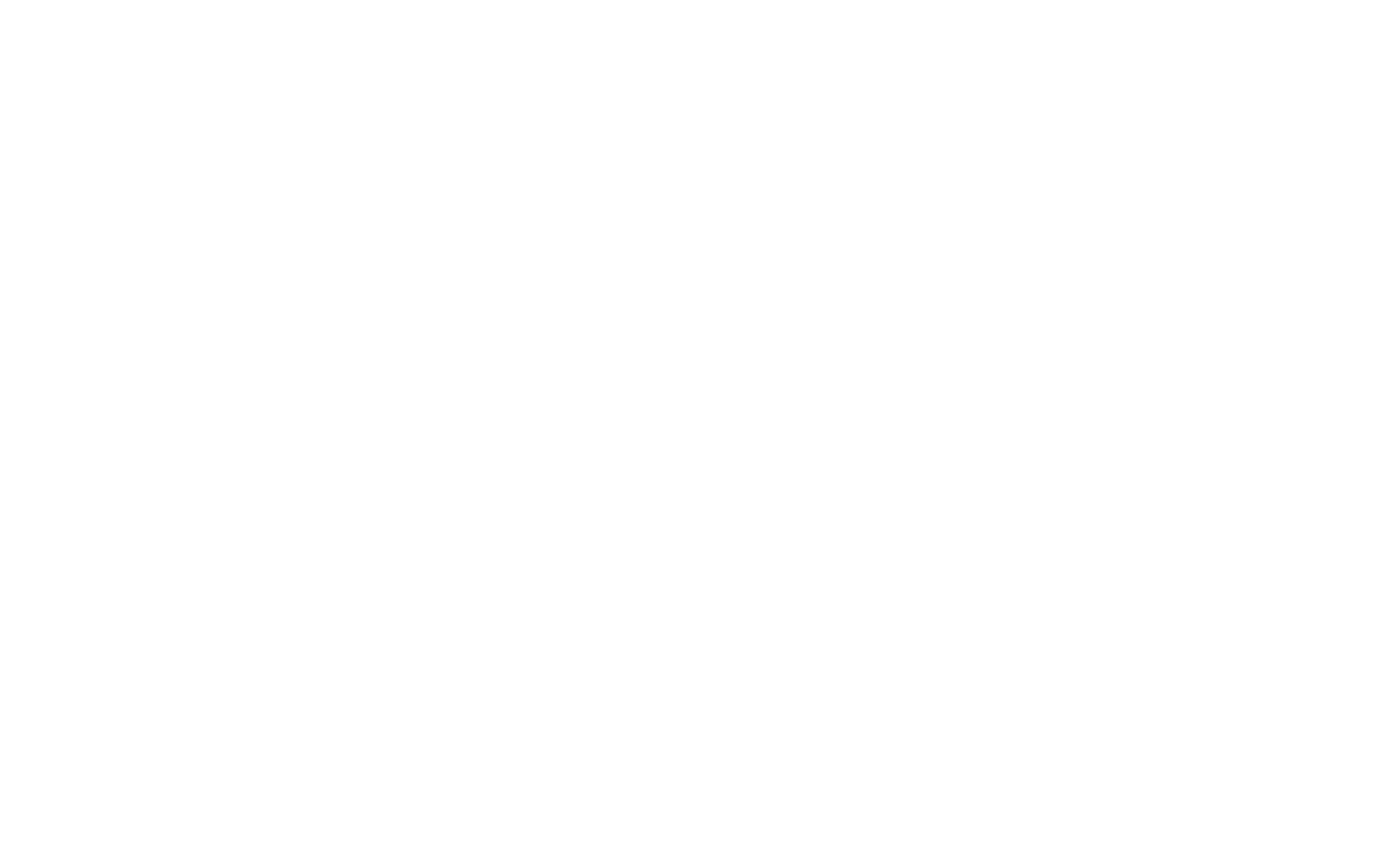
Le Rouèr : The Beating of the Heart Earth
The Roll is traditionally made from a wooden barrel, on which a beef skin is stretched by nails or ropes. The musician sitting in califourchon on the roll, hits the skin with his hands open. The roulèr holds a deep bass sound that resonates in the earth and body.
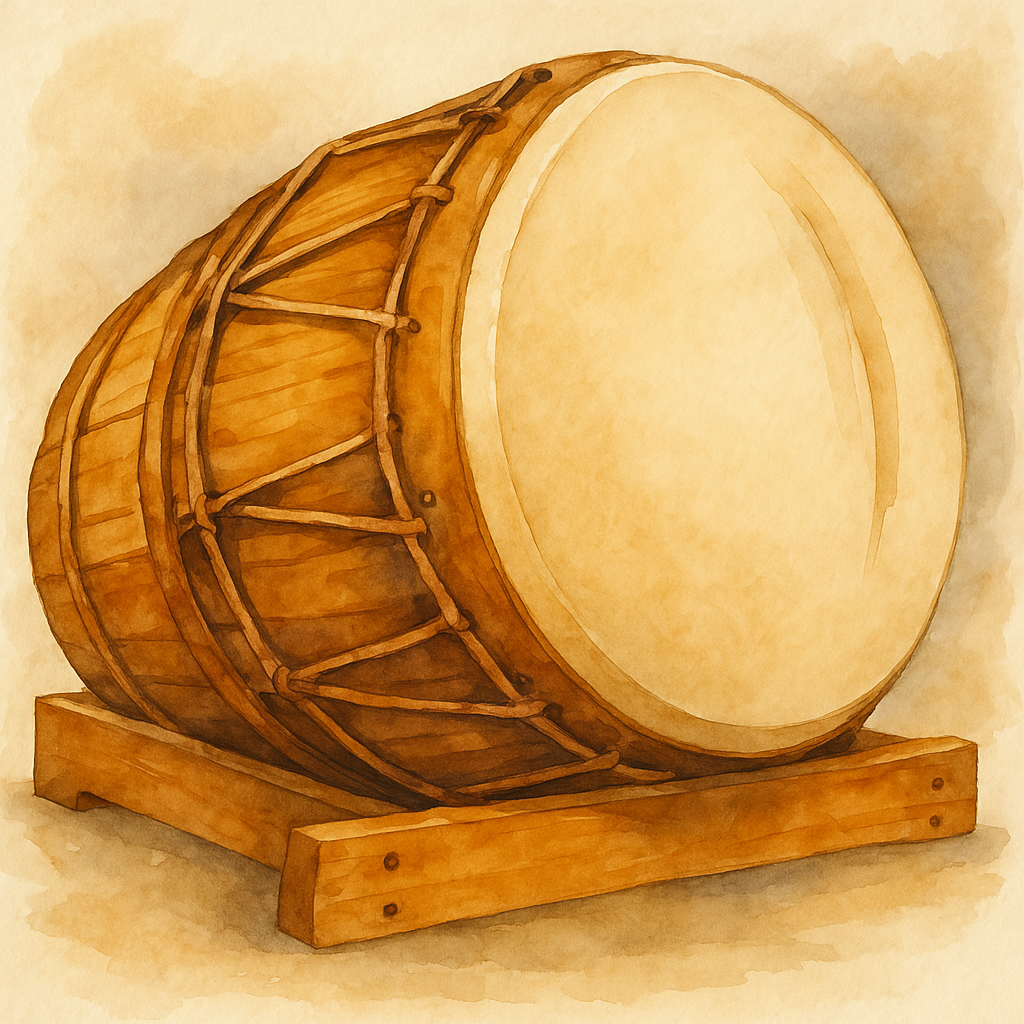
The Kayamb: The sound of the Indian Ocean
The kayamb is made with stems of sugar cane flower and seeds of saffron maron or conflor. Shaken laterally, it produces an acute and cadenced sound that accompanies the voice and other instruments. We find the cousins of kayamb, with different names, in Mozambique, Kenya, the Comoros archipelago, or Madagascar.
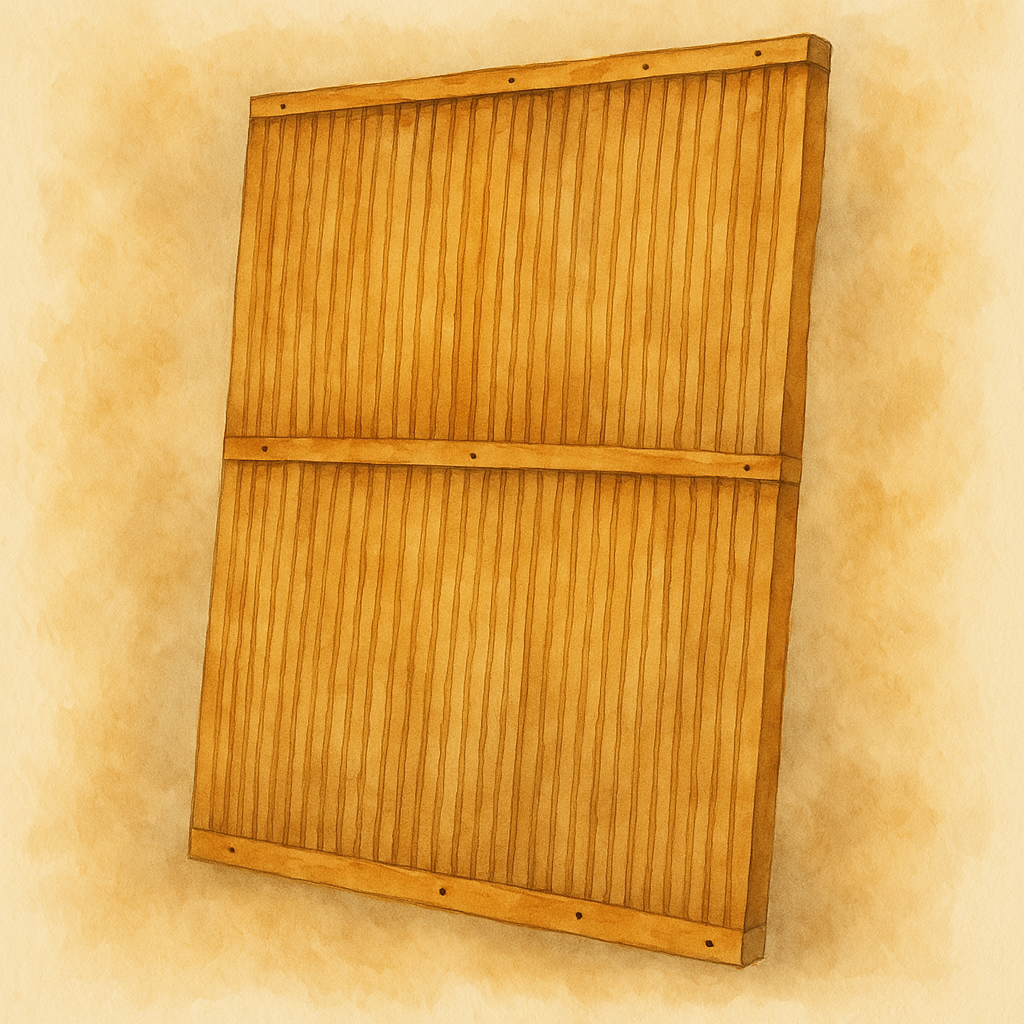
The Bobr: The Musical Arc
The bobr or sank is a rope instrument, composed of a wooden bow, a calabasse as a resonance box and a metal or choka rope.
The musician holdse bobr in one hand, the calabasse against his torso and with the other hand pats on the rope, equipped with a rod which is called a batavek.
The movement of the calabasse on the torso of the percussionist changes the resonance of the sound. Some musician pinch the rope with their index finger, others with a stone to change the note.
The bobr, produces a bumblebee note that gives it a bewitching appearance. He can often be confused with his best-known cousin, the Berimbao of Brazil.
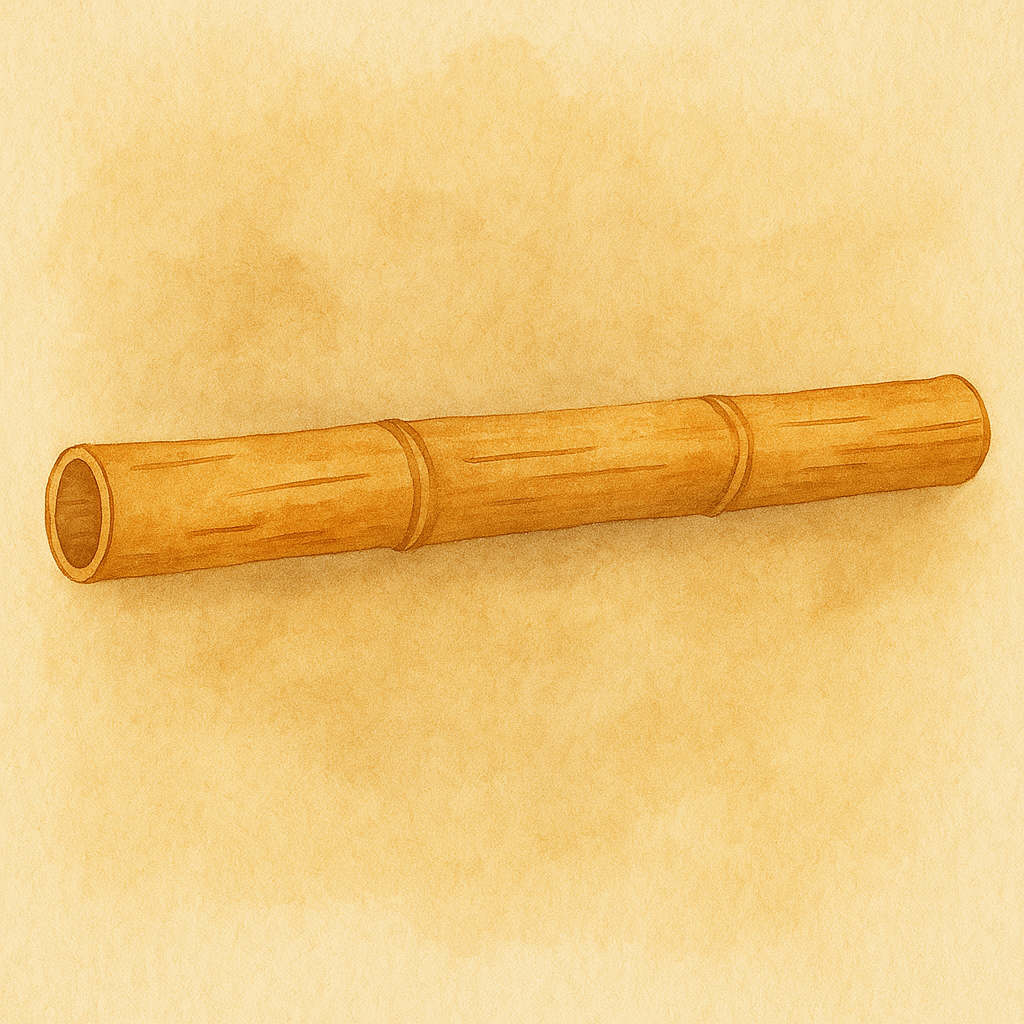
The Piker : The spirit of the forest
The fisher is an instrument made from a piece of bamboo. It is struck with wooden sticks, producing a sound round and soft, while remaining percussive. It brings an additional rhythmic seat to the Maloya, in addition to the other percussions.
The Sati: The sound of the sugar cane factory
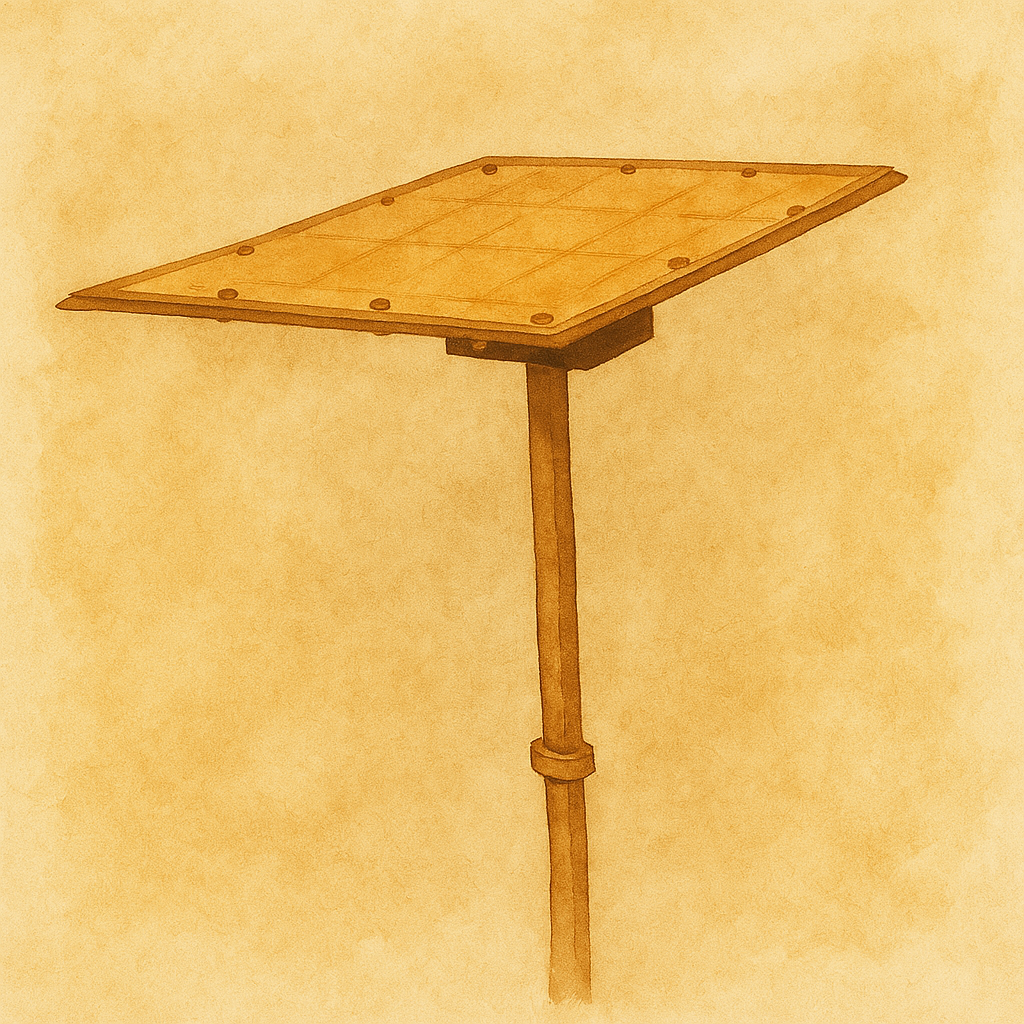
Formerly made from a metal barrel, the sati is now generally made of a sheet in tole placed on a stand. He's hit with wooden sticks. It produces a its dry and metallic, adding contrast and accentuation which defines the rhythm of the Maloya.
Conclusion: A living music in perpetual motion
These instruments, both simple and powerful, originally made in a rudimentary way, remind us where they come from. soul of the Maloya. From this time when men and women dehumanized the way to reconnect to The essence of their Being, not to forget who they are and continue to exist.
Some archive images show us that instruments would have disappeared over time, such as Timba, which was a genus of xylophone placed on the ground, close to the timbila Mozambiquain.
Today, musicians continue to develop gaming techniques on percussion Maloya and integrated services modern sounds.
Although transmission a long time was made only in family and oral, today associations and structures, as the Conservatoire à Radiation Regional de La Réunion, allow forlearn to play Maloya in a traditional way.
🎨Illustrations of the instruments made by Emma Abbezot
📌 And you, have you ever tried to drive or kayamb? Share your experience in comment!
Discover how I integrate Maloya instruments into my musical creations Here


Leave a comment